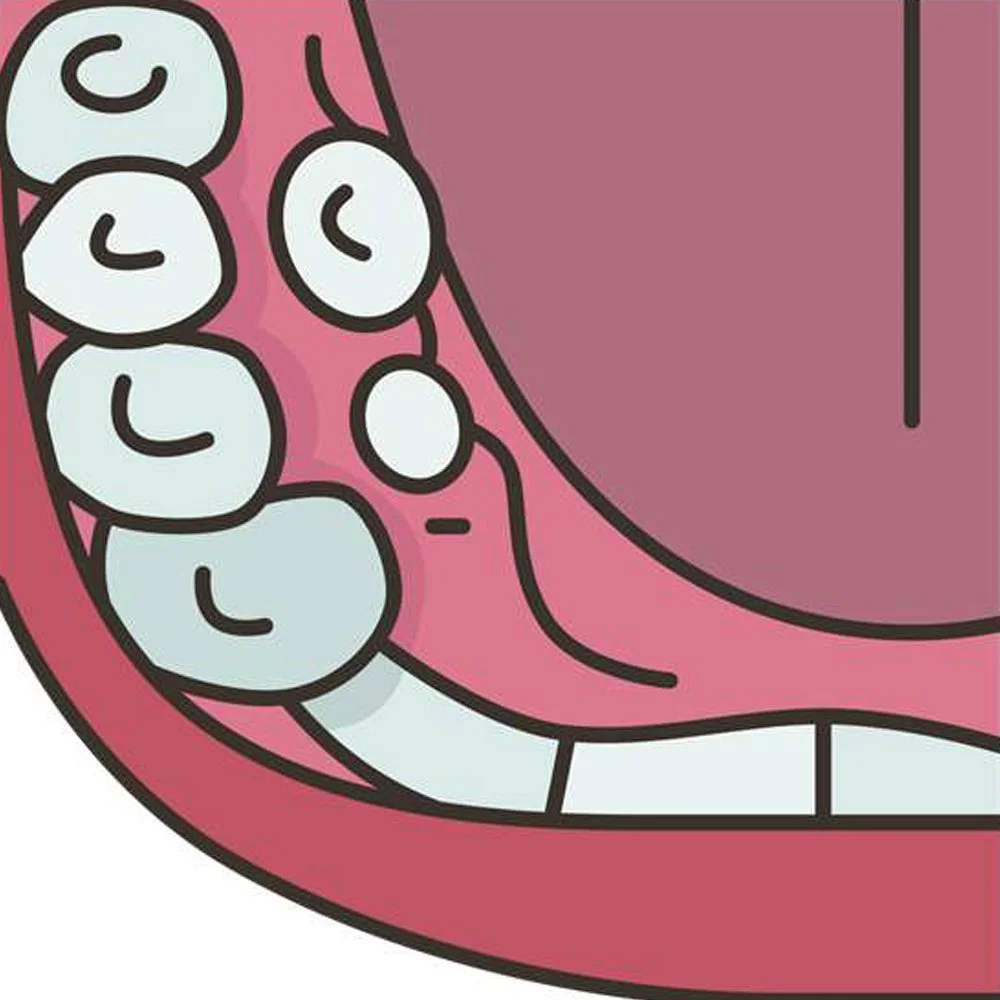
SUPERNUMERARY (EXTRA) TEETH- WHAT THEY ARE AND WHY THEY OCCUR
Supernumerary teeth are teeth that develop in addition to the normal number of teeth. Humans typically have 20 primary (baby) teeth and 32 permanent teeth. When one or more additional teeth form beyond this normal count, they are referred to as supernumerary teeth. These extra teeth can appear in both children and adults and may affect the primary or permanent dentition.
Types of Supernumerary Teeth
Supernumerary teeth vary in shape, size, and location. They are commonly classified into two main categories:
1. By Location
Mesiodens: Extra teeth located between the two upper front teeth. This is the most common type.
Paramolars: Extra teeth that appear beside molars.
Distomolars: Extra teeth that develop behind the third molars (wisdom teeth).
2. By Shape
Supplemental teeth: Extra teeth that resemble normal teeth in size and shape.
Rudimentary teeth: Smaller or abnormally shaped teeth, often conical or tuberculate.
The exact cause of supernumerary teeth is not fully understood, but several factors are believed to play a role including genetics and developmental conditions such as cleft lip and palate. In most cases, supernumerary teeth occur in otherwise healthy individuals with no associated medical conditions.
Supernumerary teeth are relatively uncommon, occurring in approximately 1–3% of the population. They are more frequently seen in males than females and are more common in the permanent teeth than in primary (baby) teeth.
Supernumerary teeth are often discovered during routine dental examinations or through dental X-rays. Panoramic radiographs or cone-beam CT scans may be used to determine the exact position and impact of the extra tooth.
Treatment depends on the location, shape, and potential impact of the supernumerary tooth:
Monitoring if the tooth is not causing problems
Surgical removal if it interferes with normal tooth eruption, alignment, or oral health
Orthodontic treatment may be needed after removal to guide proper tooth positioning
Early diagnosis is especially important in children to prevent long-term complications. With proper monitoring and treatment, when necessary, the prognosis for individuals with supernumerary teeth is excellent. Most people experience no lasting issues once the condition is appropriately managed.
Supernumerary teeth are an uncommon but important dental finding. While extra teeth may not always cause problems, early detection allows dental professionals to prevent complications and ensure healthy dental development. Regular dental visits and appropriate imaging play a key role in identifying and managing supernumerary teeth effectively.